

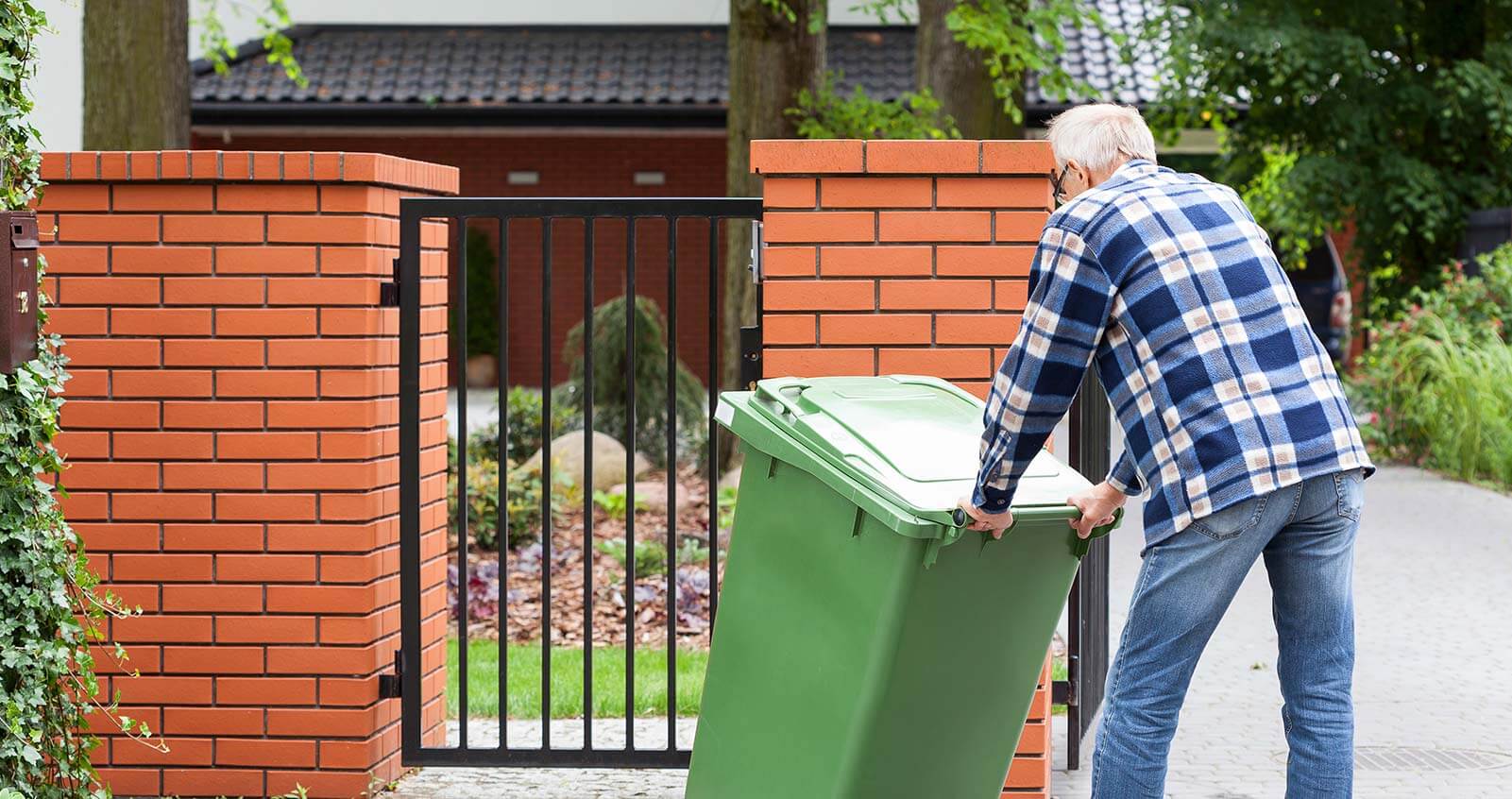
Encouraging Refillable Containers
Posted on 10/02/2025 by Robert Barrie
In an era of mounting environmental concerns, the necessity for sustainable practices has never been more critical. Among the various strategies to mitigate waste, refillable containers stand out as a practical, effective approach. Encouraging the use of refillable containers can significantly reduce disposable waste, conserve natural resources, and foster an ethos of sustainability. This article delves deep into the importance, benefits, and methods of promoting refillable containers.

The Environmental Impact of Disposable Containers
Disposable containers, primarily made of plastics, have become an inseparable part of modern life. From water bottles to food packaging, the convenience they offer often outshines their environmental ramifications.
However, these single-use containers come at a substantial environmental cost. Plastics, which are a significant component of disposable containers, take hundreds of years to decompose. During their decomposition, they release harmful substances into the soil and water, posing grave threats to ecosystems and human health. Moreover, the production of disposable containers consumes vast amounts of natural resources and energy.
Globally, we produce over 300 million tons of plastic waste each year, a significant portion of which comes from single-use containers. As landfills overflow and oceans face pollution crises, the shift towards refillable containers becomes imperative.
Benefits of Refillable Containers
Encouraging the use of refillable containers offers numerous environmental, economic, and societal benefits. These benefits underline the necessity of making refillable containers a norm rather than an exception.
Environmental Benefits
- Reduction in Waste: Refillable containers drastically cut down the amount of waste generated. By reusing the same container multiple times, we can significantly decrease the amount of plastic that ends up in landfills and oceans.
- Conservation of Resources: Producing one reusable container requires fewer resources over time compared to producing multiple single-use containers. This conservation of raw materials can help alleviate the strain on Earth's resources.
- Lower Carbon Footprint: The production, transportation, and disposal of single-use containers contribute to carbon emissions. By opting for refillable containers, we can lower these emissions, combating climate change.
Economic Benefits
- Cost Savings: Over time, consumers save money by using refillable containers instead of continuously purchasing single-use ones. This cost-saving is beneficial both for individuals and businesses.
- Job Creation: The implementation of refillable container systems can create jobs in the areas of cleaning, refilling, and managing the logistics of these containers.
Societal Benefits
- Consumer Awareness: Using refillable containers raises awareness about environmental issues and encourages people to adopt more sustainable habits.
- Community Engagement: Local communities can play a crucial role in promoting and supporting refillable container initiatives, leading to stronger community bonds.
Strategies to Encourage Refillable Containers
While the benefits of refillable containers are evident, their adoption requires a multi-faceted approach involving education, infrastructure, and incentives.
Education and Awareness
Public awareness campaigns are vital to inform people about the environmental and economic benefits of refillable containers. Schools, community centers, and social media platforms can serve as conduits for this education. Workshops, seminars, and informational materials can help elucidate the importance of reducing single-use plastics and the practicality of refillable options.
Incentives
Incentivizing the use of refillable containers can significantly increase their adoption. Discounts, rewards, or loyalty programs offered by businesses for customers who bring their refillable containers can serve as effective motivators. Governments can also introduce tax benefits or subsidies for companies that adopt refillable container systems.
Infrastructure Development
For refillable containers to become mainstream, there must be a robust infrastructure to support their use. This includes easily accessible refill stations, cleaning services, and a logistical framework for the collection and redistribution of containers. Investments in such infrastructure are essential to make the use of refillable containers convenient and efficient.
Legislation
Government policies play a crucial role in curbing the use of single-use plastics and promoting refillable containers. Bans on certain single-use items, mandates for refillable container availability, and other regulatory measures can drive both businesses and consumers towards sustainable practices. By enforcing laws that limit plastic waste and promote reusables, governments can steer society towards a more sustainable future.
Examples of Successful Refillable Container Programs
Several regions and companies around the world have successfully implemented refillable container programs, setting examples for others to follow.
Germany's Bottle Deposit Scheme
Germany's "pfand" system, a deposit scheme for bottles, is a remarkable success. Consumers pay a deposit when they purchase beverages packaged in bottles and cans, which is refunded when the empty container is returned for recycling. This initiative has led to exceptionally high recycling rates and a significant reduction in litter.
Loop by TerraCycle
Loop is an innovative shopping platform developed by TerraCycle that offers products in reusable containers. After use, the containers are collected, cleaned, refilled, and sent back to consumers. Loop collaborates with major brands, making it convenient for customers to participate and promoting a circular economy.
Selina Naturally's Bulk Refill Station
Selina Naturally, a natural foods brand, introduced bulk refill stations in their stores for products like salts, spices, and oils. Customers can bring their containers or use provided ones, helping to reduce packaging waste and encouraging repeat customers through sustainable practices.
Challenges and Solutions
Despite the evident benefits, the shift towards refillable containers is not without challenges. Addressing these challenges is crucial for broader adoption.
Initial Costs
Transitioning to refillable container systems involves initial investments in infrastructure, technology, and education. While these costs can be prohibitive, they can be mitigated through subsidies, grants, and long-term planning that considers the savings from reduced waste and resource consumption.
Hygiene Concerns
Ensuring the cleanliness and safety of refillable containers is a significant concern. However, this can be managed through stringent hygiene protocols, automated cleaning systems, and public education on proper use and maintenance of refillable containers.
Consumer Convenience
Single-use containers are often favored for their convenience. To encourage refillable containers, the system must be made equally convenient. This includes placing refill stations at easily accessible locations, ensuring a quick and user-friendly process, and providing incentives for participation.
Conclusion
Encouraging refillable containers is a tangible and impactful way to address the global waste crisis. Through education, incentives, infrastructure, legislation, and community engagement, the transition from disposable to refillable can be made smoother and more appealing to the masses. Refillable container programs not only promote environmental sustainability but also offer economic and societal benefits, making them a crucial component of holistic waste management strategies. As we move towards a more sustainable future, refillable containers are not just an option--they are a necessity.
Latest Posts
Economic Benefits of Polystyrene Recycling
Garden Clearance Charges Explained