
Recycling: Sustainable Habit
Posted on 18/02/2025 by Robert Barrie
In the quest for a sustainable future, recycling stands out as a simple yet highly impactful habit. As environmental concerns continue to grow, the importance of recycling cannot be overstated. This guide will delve into the benefits of recycling, potential challenges, and practical tips to make it an integral part of our daily lives.

Understanding Recycling
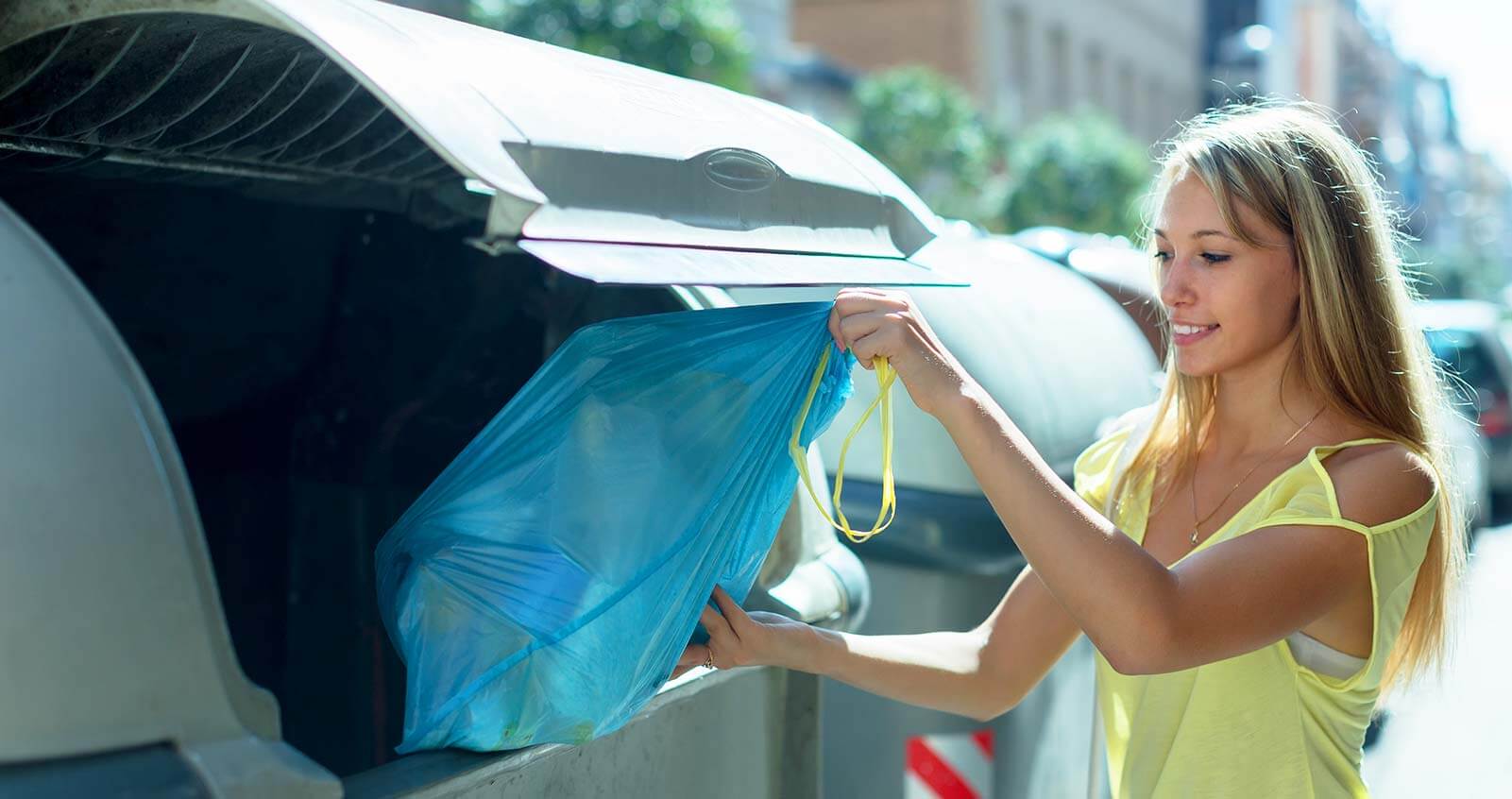
Recycling is the process of collecting and processing materials that would otherwise be thrown away as trash and turning them into new products. It involves several steps including collection, sorting, cleaning, and processing the materials to produce new items. The primary goal is to reduce the need for raw materials, thereby conserving natural resources and reducing environmental impact.
Environmental Benefits of Recycling
Recycling plays a crucial role in mitigating environmental degradation. By reducing the need for raw materials, it helps save energy and preserve natural resources such as timber, water, and minerals. Additionally, it cuts down on greenhouse gas emissions, which are a significant driver of climate change. Recycling also helps reduce pollution by minimizing waste that ends up in landfills and oceans, thereby protecting ecosystems and biodiversity.
Economic and Social Impacts
Beyond environmental benefits, recycling has significant economic and social impacts. It creates jobs in the recycling and manufacturing industries, fostering economic growth. Moreover, it reduces waste management costs for communities, as less waste goes to landfills which are expensive to maintain. On a social level, promoting recycling nurtures a culture of responsibility and sustainability, encouraging individuals and communities to take active roles in environmental stewardship.

Challenges in Recycling
Despite its benefits, recycling faces several challenges. Contamination of recyclables is a major issue, as non-recyclable materials can spoil entire batches, making them harder to process. Additionally, the recycling industry requires substantial investment in infrastructure and technology. Public awareness and participation levels can also be inconsistent, leading to inefficiencies. Moreover, fluctuating market demand for recycled materials can impact the profitability and viability of recycling programs.
Tips for Effective Recycling
- Know Your Materials: Familiarize yourself with what can and cannot be recycled in your local area. Sorting correctly is key to reducing contamination.
- Clean Recyclables: Rinse out containers and remove any residual food or liquids. This helps prevent contamination and ensures materials can be processed properly.
- Limit Single-Use Items: Opt for reusable products and avoid single-use plastics whenever possible.
- Educate and Encourage: Spread awareness within your community about the importance of recycling and how to do it correctly.
- Proper Disposal: Dispose of batteries, electronics, and hazardous materials at designated recycling centers to prevent environmental harm.
Pros and Cons of Recycling
Pros:
- Reduces waste in landfills and oceans
- Conserves natural resources
- Decreases greenhouse gas emissions
- Creates jobs and promotes economic growth
- Encourages sustainable practices
Cons:
- Can be costly to implement and maintain
- Recycling processes can sometimes be energy-intensive
- Recyclables contamination affects efficiency
- Market volatility for recycled materials
Takeaways
Recycling is an essential practice for building a sustainable future. Its environmental, economic, and social benefits make it a worthwhile endeavor. However, for recycling to be effective, it requires concerted efforts from individuals, communities, and governments. Understanding the challenges and implementing practical tips can enhance recycling efficiency and impact.
Conclusion
Recycling is more than just a trend; it's a sustainable habit that underpins environmental conservation and responsible resource management. While there are challenges, the positives far outweigh the negatives. By being mindful of our consumption patterns and recycling correctly, we can contribute significantly to a healthier planet. Remember, every small effort counts towards making a big difference.
Latest Posts
Economic Benefits of Polystyrene Recycling
Garden Clearance Charges Explained