Health and Safety Policy for Clearance Rubbish Operations
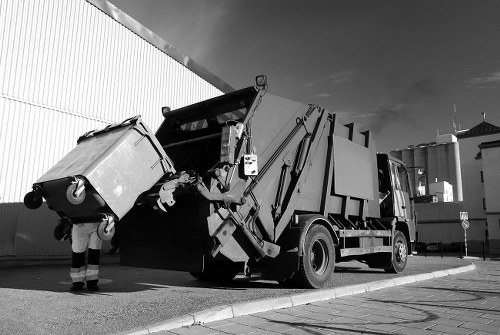 Clearance Rubbish is committed to maintaining a safe working environment for employees, contractors and the general public involved in or affected by our clearance and rubbish removal activities. This health and safety policy sets out the principles and practical measures that govern our waste clearance, rubbish clearance and clearance rubbish services. The aim is to eliminate or reduce risks so that people and property are protected during every stage of the rubbish clearance process. Our approach emphasises prevention, responsible behaviours and continual improvement rather than merely reacting to incidents.
Managers and supervisors have a clear duty to provide leadership on safety and to ensure that adequate resources are available for risk control, training and safe plant or vehicle operation. Every person engaged in waste clearance work must understand their own responsibilities and must take reasonable care for their own safety and the safety of others. Strong management oversight ensures that safe working procedures are followed and that hazards such as manual handling, slips, trips, falls and exposure to hazardous materials are addressed proactively.
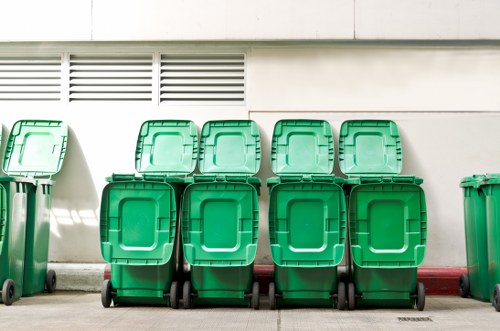 A robust risk assessment programme underpins all clearance activities. Risk assessments will be carried out before work begins, reviewed if conditions change and recorded where necessary. Key hazards identified during clearance of rubbish operations include sharp objects, asbestos risk potential, biological contaminants, hazardous liquids, mechanical failure of equipment and site traffic. Control measures include elimination, substitution, engineering controls, administrative actions and personal protective equipment (PPE). The following practical measures are applied where relevant:
- Pre-site surveys to identify hazards and plan safe systems of work.
- Segregation of waste streams to reduce contamination risks.
- Use of mechanical aids and correct manual handling techniques to prevent injury.
- Provision and use of appropriate PPE such as gloves, eye protection and hi-vis clothing.
Operational Controls and Safe Systems
All personnel involved in rubbish removal and waste clearance activities will receive appropriate induction and job-specific training. Training covers hazards found during clearance operations, safe handling of bulky items, correct use of tools and equipment, vehicle loading and unloading protocols, and emergency procedures. Supervisors ensure that competence is maintained and that refresher training is provided as standards or practices change.
![Three black rubbish bags made of glossy plastic material are positioned in a row on a dark background. The bags are loosely tied at the top, with the contents causing slight bulges in the material, indicating they are filled with waste. They rest on a flat surface, potentially outdoors or in a vehicle or waste collection area, with no other objects visible nearby. The lighting highlights the reflective surface of the bags, emphasizing their texture and the uneven distribution of waste inside. The setting suggests a typical rubbish collection scene, relevant to clearance services offered by companies like Clearance Rubbish in areas such as [POSTCODE] or [TOWN], supporting their rubbish removal offerings and adherence to health and safety policies documented at the specified page. The overall scene is neutral and professional, focusing solely on the waste bags without additional environment details.](/pub/_photos/rubbish/f1342373512.jpg) Specific operational controls are implemented for higher risk tasks. For example, when dealing with potentially hazardous materials the company applies precautionary segregation, secure containment and specialist disposal arrangements. Mechanical lifting aids and team lift procedures reduce manual handling risk; vehicle safety checks and secure load methods prevent shifting of waste during transit. Worksites are kept tidy with clear walkways and access routes to minimise slips, trips and falls. Communications are kept clear with hand signals, radios where needed and visible signage.
Specific operational controls are implemented for higher risk tasks. For example, when dealing with potentially hazardous materials the company applies precautionary segregation, secure containment and specialist disposal arrangements. Mechanical lifting aids and team lift procedures reduce manual handling risk; vehicle safety checks and secure load methods prevent shifting of waste during transit. Worksites are kept tidy with clear walkways and access routes to minimise slips, trips and falls. Communications are kept clear with hand signals, radios where needed and visible signage.
Emergency preparedness is integral to safe clearance operations. Emergency procedures include prompt incident reporting, first aid provision, access for emergency services and procedures for containment of spills or airborne hazards. Regular exercises and toolbox talks help reinforce response expectations. The company also maintains a schedule of routine plant and vehicle maintenance to reduce the risk of mechanical failures during rubbish clearance.
Monitoring, Reporting and Continuous Improvement
![A person wearing a light blue T-shirt is in the process of lifting or removing electronic waste from a green wheelie bin, which is filled with various discarded electronic items including a black desktop computer tower, a digital camera, and several CDs or DVDs scattered among the debris. The electronic waste appears to include outdated or broken devices with visible plastic and metal components, some of which have cable and circuit board details. The scene is set outdoors, possibly on a driveway or pavement, with the edges of the bin and contents occupying most of the image. The setting and content reflect the context of rubbish disposal and electronic waste collection, typical of operations carried out by companies like Clearance Rubbish, serving areas such as [POSTCODE]/[TOWN]. The lighting suggests natural daylight, highlighting the textures and colours of the discarded items and the sturdy, smooth surface of the green recycling bin.](/pub/_photos/rubbish/f1347403776.jpg) A system of reporting, investigation and review is used to learn from incidents, near misses and audit findings. All incidents are recorded, investigated to identify root causes and followed by corrective actions to prevent recurrence. Performance indicators such as accident frequency, near miss reports, training completion and audit results are reviewed by management to inform continual improvement of health and safety standards across our clearance rubbish operations.
A system of reporting, investigation and review is used to learn from incidents, near misses and audit findings. All incidents are recorded, investigated to identify root causes and followed by corrective actions to prevent recurrence. Performance indicators such as accident frequency, near miss reports, training completion and audit results are reviewed by management to inform continual improvement of health and safety standards across our clearance rubbish operations.
Contractor and supplier selection is based on competence and shared commitment to safe practices. Contractors working on site are required to adhere to the same standards for rubbish clearance and waste handling and must provide evidence of suitable training and controls. Employees are encouraged to contribute to safety improvement through consultation, hazard reporting and participation in safety meetings. The policy also recognises the importance of wellbeing and reasonable workload management to reduce stress-related risks.
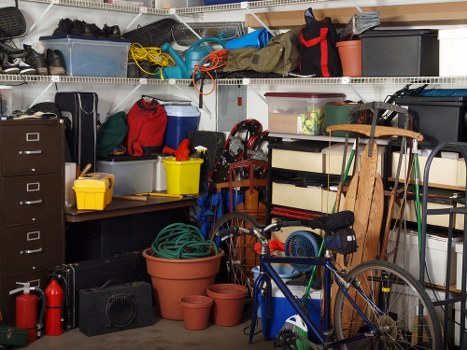 This health and safety policy for clearance rubbish and associated removal services is supported by documented procedures, training records and practical controls. Everyone working on or for the organisation is expected to comply with the policy, to cooperate with safety measures and to report unsafe conditions promptly. Management will review this policy periodically to ensure its continued suitability and effectiveness. By adhering to these principles and actions, the organisation aims to protect people, preserve the environment and deliver safe, efficient rubbish clearance and waste removal services.