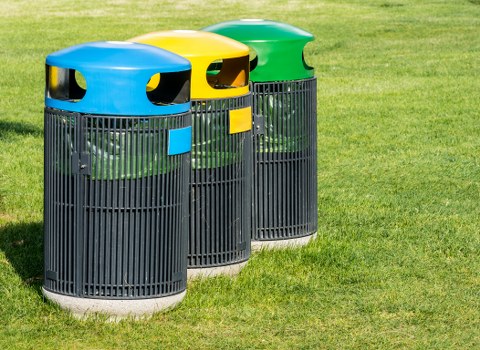
Clearance Rubbish — Recycling and Sustainability Commitment
Our Clearance Rubbish pledge is simple: remove waste responsibly while maximising reuse and recycling. As a leading clearance rubbish company, we work closely with councils and community organisations to honour local boroughs' approaches to waste separation, including dry mixed recycling, food waste collections and separate glass streams. Our approach balances practical on-the-ground clearances with measurable environmental outcomes.Our Recycling Percentage Target
We have set an ambitious target to recycle 70% of all materials recovered from clearances by 2028. This target for our clearance rubbish services reflects a realistic but challenging pathway: diverting materials from landfill, increasing textile and furniture reuse, and ensuring hazardous items are handled correctly. The Clearance & Rubbish team tracks recovery rates monthly and publishes an annual sustainability report summarising progress toward the 70% goal.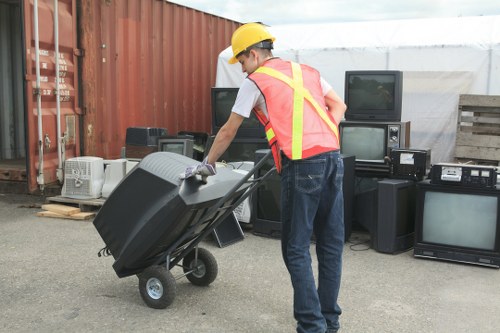 Our work recognises that many local boroughs require specific separation at source. We support residents and businesses by sorting loads into key fractions: paper and cardboard, plastics and metals, glass, food and garden organics, and bulky items for reuse. By aligning with borough-level waste separation rules we minimise contamination and improve recycling yields.
Local Transfer Stations and Efficient Logistics
We operate with a network of trusted local transfer stations to keep collection routes short and emissions low. Using nearby facilities means fewer long-haul movements and quicker sorting. Our staff pre-sort at the point of collection where possible, sending segregated streams to the appropriate transfer station: textiles and furniture to reuse hubs, mixed recycling to material recovery facilities, and organics to composting sites. This local-first model supports circularity in clearance-rubbish operations.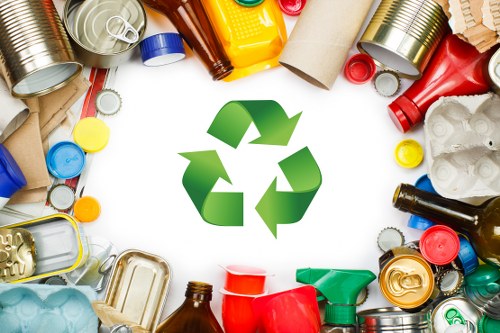
Partnerships with Charities and Reuse Centres
A core element of our sustainability work is partnering with charities and social enterprises. We collaborate with local reuse centres to donate functional furniture, working appliances and good-condition textiles. These partnerships reduce waste, support local people in need and extend the life of perfectly reusable goods. Our arrangements include scheduled drop-offs and rapid referrals for items that can be uplifted for reuse rather than recycled.We also run targeted collection days for community projects and support circular-economy initiatives that emphasise repair, refurbishment and resale. By routing suitable materials through charity partners we reduce processing costs and keep value in the local economy.
Low-Carbon Vans and Fleet Decarbonisation
To lower our carbon footprint our fleet transition strategy includes electric and hybrid low-carbon vans, efficient route planning and driver training in eco-driving techniques. Our low-emission vehicles handle urban clearances and smaller loads, while larger low-emission trucks manage bulky removals where electric alternatives are still maturing. The combination of cleaner vehicles and smarter logistics supports our overall goal of reducing CO2 per tonne of waste managed.Key fleet measures:
- Phased replacement of older diesel vehicles with hybrid and electric vans
- Telematics-enabled route optimisation to cut idle time and mileage
- Regular driver training to improve fuel efficiency and safety
How Residents and Businesses Can Help
You can boost recycling outcomes from clearances by separating materials before collection and flagging items suitable for donation. For multi-ward borough clearances, small actions such as keeping glass separate or bagging textiles reduce contamination. Our clearance services include clear labelling of streams at collection so that local transfer stations can process loads efficiently and meet council recycling performance standards.![In the foreground of the image, there is a dark grey wheeled rubbish bin positioned on a paved driveway. Behind it, a large pile of light-colored bricks and broken masonry is stacked directly on the driveway surface, partially spilling onto the adjacent grassy area. In the background, a single-story, cream-colored residential garage with a brown door and a horizontal window on the left side is visible, along with some small potted plants and outdoor furniture near the window. To the right of the garage, a portion of another house with white walls and a window is seen, amidst a backdrop of green trees and shrubs. The scene appears to be set in a suburban neighbourhood, with well-maintained lawns and clear skies above, typical of a property in the UK, possibly near [POSTCODE] or [TOWN]. The image visually captures a typical rubbish removal scene where Clearance Rubbish manages DIY or building waste disposal, emphasizing the material and environmental context of rubbish collection and disposal services.](/pub/_photos/rubbish/f1345908072.jpg)
Monitoring, Reporting and Continuous Improvement
We use a robust monitoring system to track tonnages by stream, diversion rates and carbon emissions. Data-driven reviews identify where further training or infrastructure investment is needed. Continuous improvement projects have included trials of on-board compaction techniques that maximise space without increasing contamination, and test runs of all-electric vans on shorter urban routes to measure real-world savings.![The image shows a small outdoor area with two wheelie bins placed side by side on a paved surface. One bin is dark green with the number 115 and a black lid, while the other is a slightly lighter green with a partially visible lid. The background features a weathered wooden fence with vertical slats, which extends across the scene and creates a boundary for the area. To the right, there is a section of a different wooden panel or gate, along with patches of soil and small plants along the base of the fence. The paved ground appears slightly worn, with some dark patches and a shadow cast by the fence and bins, indicating sunlight from the left side. This setting reflects a typical rubbish disposal point, which a waste management service like Clearance Rubbish could service within a local residential context, possibly in a suburban postcode area near [TOWN] or the specified postal district. The scene emphasizes practical waste storage, suitable for rubbish removal or recycling collection, consistent with the thematic focus of recycling and sustainability.](/pub/_photos/rubbish/f1497983720.jpg)
Practical Recycling Activities in the Area
Across the boroughs we serve, common recycling activities relevant to our clearances include: separate kerbside collection for food waste, glass drop-off facilities at local hubs, bulky waste schemes that prioritise reuse, and communal dry mixed recycling points. Our teams are familiar with these systems and work to ensure clearance material is compatible with local processing requirements. We also help clients prepare materials for transfer stations so that recyclable fractions meet acceptance criteria and avoid costly rejections.In summary, Clearance Rubbish combines an ambitious recycling target, strong charity partnerships, local transfer station use and a low-carbon fleet to reduce environmental impact from clearances. Our commitment is to practical sustainability: fewer landfill consignments, more donations to charity, and a measurable reduction in transport emissions. Together with residents, businesses and borough partners we are building a more circular approach to waste — turning clearance rubbish into resources, not refuse.